
Manufacturing experience refers to the practical skills, knowledge, and workplace exposure gained through producing, assembling, processing, inspecting, or supporting the production of goods. It can include operating industrial machinery, working on production lines, checking product quality, maintaining equipment, managing materials, and following manufacturing procedures.
However, manufacturing experience is not limited to employees who operate machines or assemble products. Quality inspectors, manufacturing technicians, production planners, maintenance specialists, and manufacturing engineers can also gain relevant experience by supporting manufacturing operations.
Understanding what counts as manufacturing experience can help you prepare a CV, apply for industrial jobs, or plan a career in manufacturing. This guide explains its meaning, practical examples, common job roles, essential skills, and ways to gain experience, even if you are new to the industry.
What Is Manufacturing Experience?
Manufacturing experience is the practical knowledge gained by working in or supporting an environment where raw materials and components are transformed into finished products.
It involves understanding production processes, following work instructions, using tools and equipment, checking product quality, maintaining records, and helping manufacturing operations run safely and efficiently.
For example, an employee in an automotive factory may install vehicle components, operate an assembly machine, inspect finished parts, or report production defects. These responsibilities provide direct manufacturing experience because they contribute to the production of a physical product.
Other professionals support manufacturing without directly making products. Their responsibilities may include production scheduling, equipment maintenance, quality management, material planning, and process improvement.
The specific duties depend on the employer, industry, and job position. A production operator and a manufacturing engineer perform different tasks, but both can have relevant manufacturing experience.
In simple terms: Manufacturing experience includes practical work involved in producing goods or supporting the equipment, quality, planning, and operations required to manufacture them.
What Does Manufacturing Experience Include?
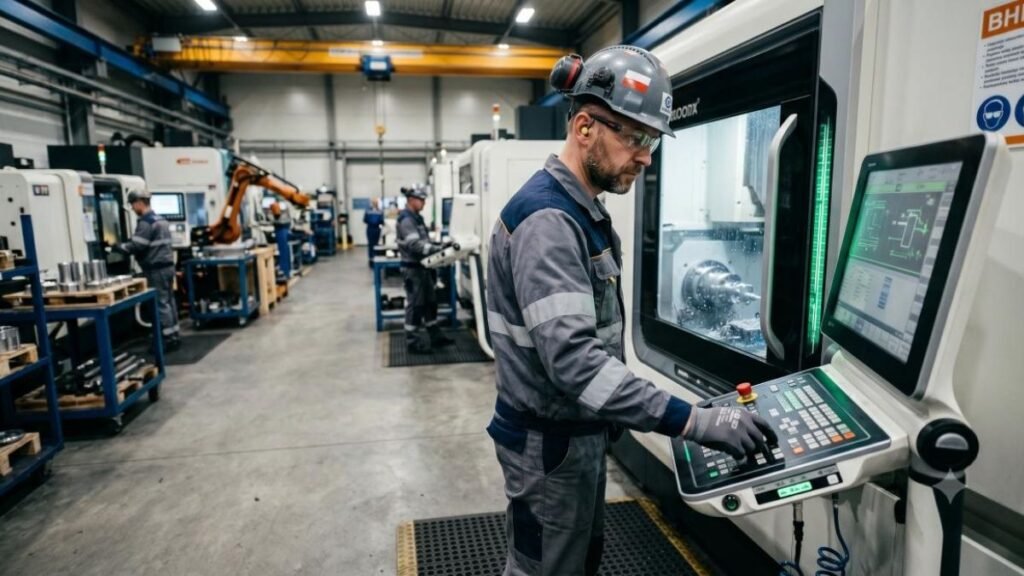
Manufacturing experience covers several activities throughout the product manufacturing process. Understanding these activities can help you identify which responsibilities matter for manufacturing jobs.
1. Production Line Operations
Production line operations involve completing specific tasks as materials or products move through different manufacturing stages.
For example, an employee at an electronics factory may place components on circuit boards, connect parts, or prepare products for the next production stage.
This experience develops an understanding of production workflows, work instructions, teamwork, and output requirements.
2. Machine Operation
Machine operation involves using industrial equipment to manufacture, shape, process, or assemble products.
Common responsibilities include:
- Operating cutting, drilling, and milling machines.
- Monitoring automated production equipment.
- Checking machine settings according to approved instructions.
- Identifying unusual machine performance.
- Reporting equipment problems.
- Recording production information.
Machine operators must understand operating procedures and receive appropriate training before using potentially hazardous equipment.
3. Product Assembly
Product assembly involves joining individual components to create a complete product.
For example, an automotive assembly worker may install seats, connect electrical components, or attach mechanical parts to a vehicle.
Assembly experience can develop accuracy, coordination, attention to detail, and the ability to follow technical instructions.
4. Quality Control and Quality Assurance
Quality control and quality assurance are important parts of manufacturing, but they have different purposes.
Focuses on inspecting and testing materials, components, and finished products to identify defects or deviations from specifications.
Focuses more broadly on the systems, procedures, and processes designed to prevent quality problems before they occur.
Quality assurance focuses more broadly on the systems and processes designed to prevent quality problems.
Typical responsibilities include:
- Inspecting materials and finished products.
- Measuring components against specifications.
- Testing product functionality.
- Recording inspection results.
- Identifying nonconforming products.
- Reporting recurring quality problems.
For example, a quality inspector in an electronics factory may test circuit boards to check whether they meet the required technical specifications.
The U.S. Bureau of Labor Statistics explains that quality control inspectors examine products and materials for defects or deviations from specifications.
5. Packaging and Processing
Packaging and processing involve preparing manufactured goods for storage, distribution, or further production.
Employees may:
- Operate packaging and filling equipment.
- Fill and seal product containers.
- Apply product labels.
- Check packaging quality.
- Record production quantities.
- Prepare finished products for storage.
For example, a food manufacturing employee may operate a packaging machine that fills, seals, and labels containers before distribution.
6. Equipment Maintenance
Manufacturing equipment requires regular inspection and maintenance to remain reliable and operate safely.
Maintenance-related experience may include:
- Inspecting machinery and equipment.
- Identifying unusual sounds or performance changes.
- Performing authorized routine maintenance.
- Replacing approved components.
- Reporting mechanical or electrical problems.
- Maintaining maintenance records.
Specialist repairs and hazardous maintenance activities should only be performed by appropriately trained and authorized personnel.
7. Production Planning and Scheduling
Production planning involves organizing the materials, people, equipment, and time required to manufacture products.
Experienced professionals may also move into leadership positions, where understanding a program manager role can help them explore broader planning and coordination responsibilities.
Common responsibilities include:
- Preparing production schedules.
- Checking material availability.
- Monitoring production progress.
- Coordinating with different departments.
- Reviewing production requirements.
- Identifying scheduling delays.
This experience is particularly relevant to production coordinators, planners, supervisors, and manufacturing managers.
8. Inventory and Material Management
Manufacturing operations depend on having the right materials available at the right time.
Relevant activities include receiving raw materials, checking quantities, organizing components, tracking stock levels, and supplying materials to production areas.
Employees may also use inventory management software or enterprise resource planning (ERP) systems to monitor material availability.
9. Workplace Safety and Compliance
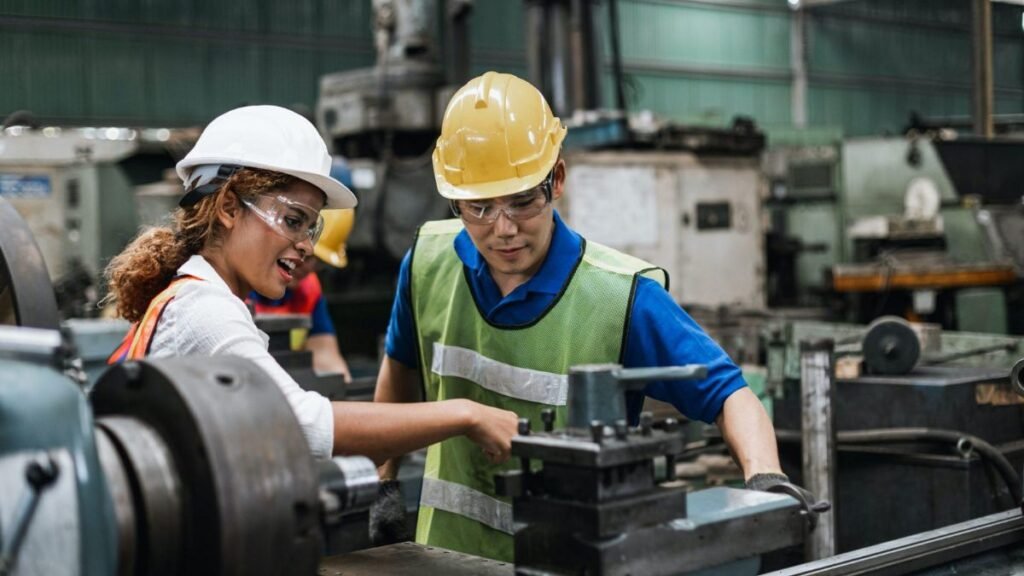
Manufacturing environments may involve moving machinery, electrical systems, chemicals, heat, noise, and heavy materials.
Employees need to understand applicable safety procedures, use required protective equipment, report hazards, and follow workplace instructions.
Depending on the industry, manufacturing work may also require compliance with quality standards, hygiene requirements, environmental procedures, and product-specific regulations.
Safety and compliance requirements vary by location and industry, so employees should follow their employer’s applicable procedures and regulatory requirements.
Manufacturing Experience Examples Across Different Industries
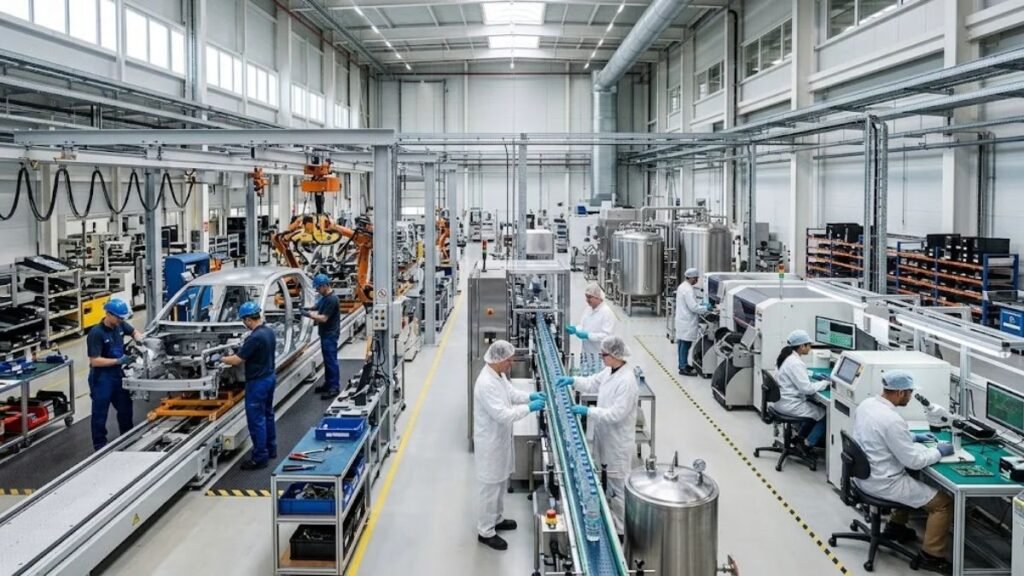
Manufacturing processes vary depending on the products a company produces. However, most industries require employees to understand production activities, equipment, quality requirements, and workplace procedures.
Here are some practical examples.
1. Automotive Manufacturing
Automotive manufacturing involves producing vehicles and their components.
Relevant experience includes:
- Installing vehicle components.
- Working on automotive assembly lines.
- Operating manufacturing machinery.
- Inspecting vehicle parts.
- Testing assembled components.
- Monitoring production quality.
For example, an assembly worker may install dashboard components while following production instructions and quality requirements.
2. Food and Beverage Manufacturing
Food and beverage manufacturing involves processing ingredients and converting them into finished food and drink products.
Employees may work with mixing equipment, processing machines, filling systems, and packaging lines.
Relevant experience includes following hygiene procedures, monitoring equipment, checking product quality, and packaging finished goods.
3. Pharmaceutical Manufacturing
Pharmaceutical manufacturing involves producing medicines and other healthcare products under controlled conditions.
Relevant activities may include:
- Preparing production materials.
- Operating approved processing equipment.
- Following documented manufacturing procedures.
- Checking product packaging.
- Maintaining production records.
- Following applicable hygiene and quality requirements.
This industry may require additional training and strict compliance with applicable manufacturing standards.
4. Electronics Manufacturing
Electronics manufacturing involves producing electronic components, circuit boards, and devices.
Employees may assemble circuit boards, install components, solder connections, inspect electrical products, and test finished devices.
Attention to detail is particularly important because small component or connection problems can affect product performance.
5. Textile Manufacturing
Textile manufacturing includes producing fabrics, yarn, clothing materials, and other textile products.
Relevant experience includes operating weaving machines, handling fabric materials, monitoring production quality, and using industrial sewing equipment.
6. Aerospace Manufacturing
Aerospace manufacturing involves producing aircraft structures, engines, and specialized components.
Employees may work with precision assembly, technical drawings, component inspections, and specialized manufacturing equipment.
Depending on the position, the work may require advanced technical knowledge and strict quality documentation.
People interested in this industry can also explore different aerospace engineering careers to understand the roles, qualifications, and skills required.
7. Metal and Machinery Manufacturing
This industry involves producing metal components, industrial machinery, tools, and equipment.
Relevant experience includes welding, machining, CNC operation, metal fabrication, equipment setup, and dimensional inspection.
What Jobs Count as Manufacturing Experience?
Many different job positions can provide manufacturing experience. Some involve direct production, while others support manufacturing operations through technical, quality, planning, or maintenance responsibilities.
| Job Title | Typical Responsibilities |
|---|---|
| Production Operator | Performs production tasks and monitors output |
| Machine Operator | Operates and monitors industrial machinery |
| Assembly Line Worker | Assembles components into finished products |
| CNC Machinist | Produces precision parts using CNC equipment |
| Quality Control Inspector | Inspects products against specifications |
| Manufacturing Technician | Supports production equipment and technical processes |
| Maintenance Technician | Maintains and repairs manufacturing equipment |
| Production Supervisor | Coordinates production employees and activities |
| Manufacturing Engineer | Develops and improves manufacturing processes |
| Packaging Operator | Operates equipment used to package products |
| Production Planner | Coordinates production schedules and material requirements |
Not all these positions involve the same level of practical production experience.
For example, a CNC machinist may need experience with machine setup and technical drawings, while an entry-level packaging operator may receive much of their training after joining an employer.
The U.S. Bureau of Labor Statistics identifies assemblers, machinists, quality inspectors, and other roles as part of the wider production workforce.
Essential Manufacturing Skills Employers Look For
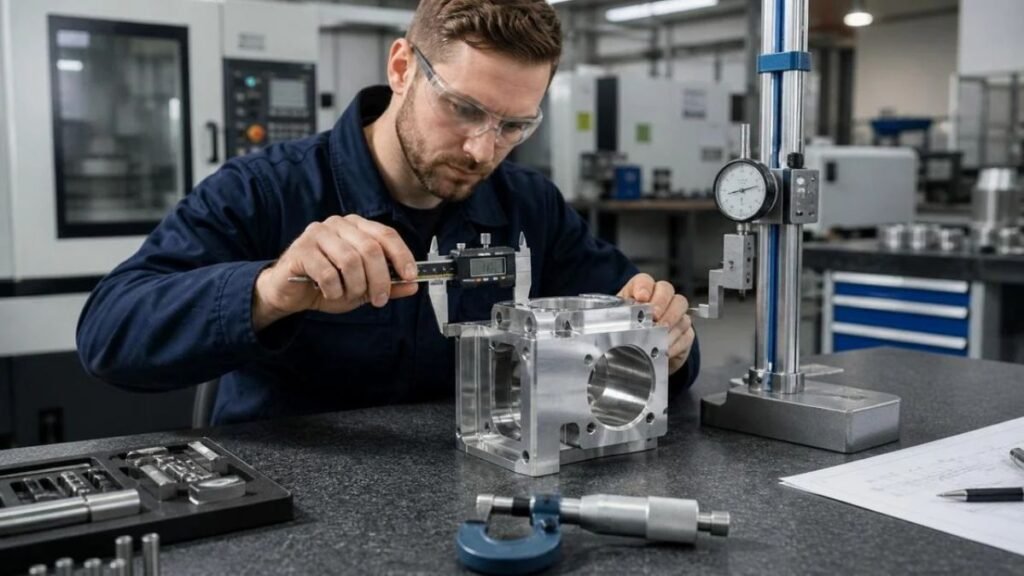
Manufacturing employers generally look for a combination of technical abilities, safety awareness, and personal skills. The importance of each skill depends on the position and manufacturing environment.
Technical Manufacturing Skills
1. Machine Operation: Understanding how to operate industrial equipment safely and follow approved operating instructions.
2. Equipment Troubleshooting: Recognizing unusual machine behavior and reporting problems to the appropriate maintenance team.
3. Quality Inspection: Checking products for defects, incorrect measurements, or other issues.
4. Technical Drawing Interpretation: Understanding engineering drawings, measurements, symbols, and product specifications.
5. Production Documentation: Recording production quantities, inspection results, machine information, and operational activities.
6. Inventory Management: Tracking raw materials, components, and finished products.
7. Manufacturing Process Knowledge: Understanding how products move through different production stages.
8. Digital Manufacturing Tools: Using relevant production software, inventory systems, ERP platforms, or machine interfaces.
9. Workplace Safety: Following safety instructions, using protective equipment, and identifying potential workplace hazards.
Soft Skills
Technical knowledge is important, but employees also need personal skills to work effectively.
- Teamwork: Coordinating with colleagues to complete production tasks.
- Communication: Sharing production information and reporting problems clearly.
- Problem-solving: Identifying issues and helping find appropriate solutions.
- Time management: Completing tasks within production schedules.
- Attention to detail: Identifying small defects and avoiding mistakes.
- Adaptability: Learning new equipment, procedures, and production methods.
- Reliability: Following schedules and completing assigned responsibilities consistently.
- Willingness to learn: Adapting to new manufacturing technologies and workplace requirements.
These skills help employees contribute to consistent product quality and efficient operations.
Manufacturing Experience vs. Production Experience
Manufacturing experience and production experience are closely related, but they do not always mean exactly the same thing.
Covers a broad range of activities involved in making goods, including production, engineering, maintenance, quality management, and material planning.
Production experience focuses more specifically on the activities directly involved in producing or assembling products.
Although the two terms overlap, manufacturing experience can include responsibilities beyond direct production work.
Production experience focuses more specifically on the activities involved in producing or assembling products.
| Comparison | Manufacturing Experience | Production Experience |
|---|---|---|
| Main focus | Overall manufacturing operations and supporting processes | Direct product-making activities |
| Responsibilities | Production, engineering, maintenance, quality, and planning | Assembly, processing, machine operation, and packaging |
| Common roles | Manufacturing engineer, technician, quality inspector, supervisor | Production operator, assembler, machine operator |
The key difference: Production experience usually involves direct product-making activities. Manufacturing experience can also include the technical and operational functions that support the complete manufacturing process.
Does Warehouse Experience Count as Manufacturing Experience?
Warehouse experience can be relevant when applying for manufacturing jobs, but it does not automatically qualify as direct manufacturing experience.
Warehouse employees generally handle the storage, movement, and distribution of materials and finished products. Manufacturing employees work directly on producing or supporting the production of goods.
For example, a warehouse employee may receive raw materials, check inventory, organize stock, and deliver components to a production line. These responsibilities support manufacturing operations, but they are different from operating production machinery or assembling products.
However, warehouse experience can provide transferable skills, including:
- Inventory management.
- Material handling.
- Stock control.
- Receiving and dispatching goods.
- Following workplace safety procedures.
- Coordinating with production teams.
- Maintaining accurate records.
- Using warehouse management systems.
Some roles combine warehouse and production responsibilities. In those cases, the actual duties determine whether the experience includes direct manufacturing work.
If you have warehouse experience, explain your responsibilities honestly on your CV. Highlight how your work supported manufacturing operations without claiming that you performed production tasks you did not actually do.
How Modern Technology Is Changing Manufacturing Experience
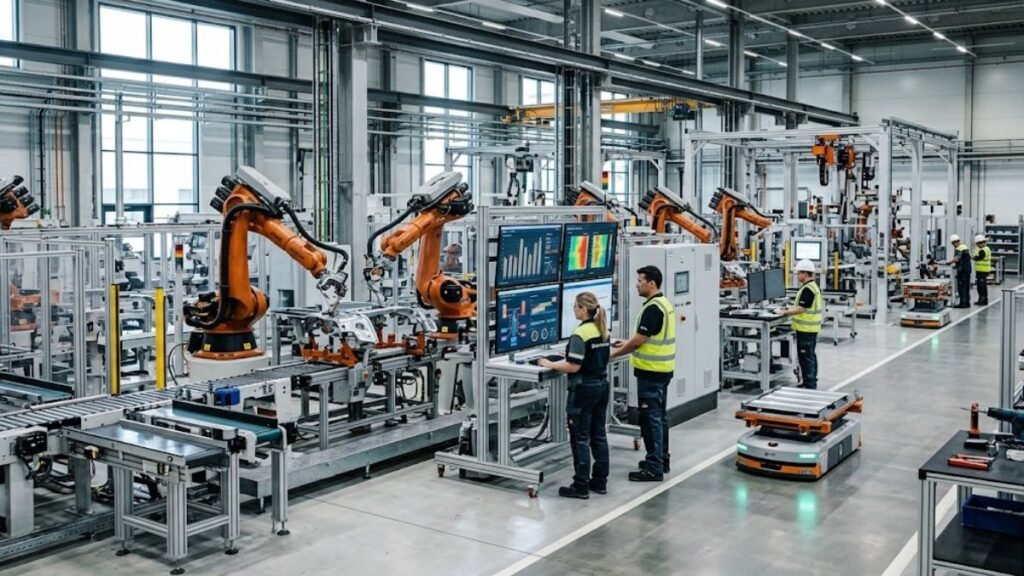
Automation, digital systems, robotics, and data-driven production processes increasingly shape manufacturing.
As a result, manufacturing experience is no longer limited to traditional machine operation and manual assembly.
Depending on the industry and position, modern manufacturing employees may work with:
1. Automation and Robotics
Automated equipment and industrial robots perform repetitive or precision-based tasks. Employees may monitor automated production lines, check system performance, and report operational issues.
2. Computer Numerical Control (CNC)
CNC machines use computer-controlled instructions to manufacture components with specific measurements and shapes. Experience with CNC equipment can be valuable in metalworking and precision manufacturing.
3. Manufacturing Execution Systems (MES)
MES software helps manufacturers monitor and manage production activities, including work orders, production progress, and process information.
4. Enterprise Resource Planning (ERP)
ERP systems help businesses coordinate information across areas such as purchasing, inventory, production planning, and finance.
5. Data and Process Monitoring
Manufacturers use production data to monitor output, identify recurring problems, and evaluate operational performance.
Learning how to interpret production data and performance reports can improve decision-making, and business intelligence exercises can help develop these analytical skills.
Employees who understand basic digital manufacturing systems may have an advantage when applying for roles that involve automated or technology-supported production.
However, the specific technologies required depend on the employer and job description.
What Is Lean Manufacturing Experience?
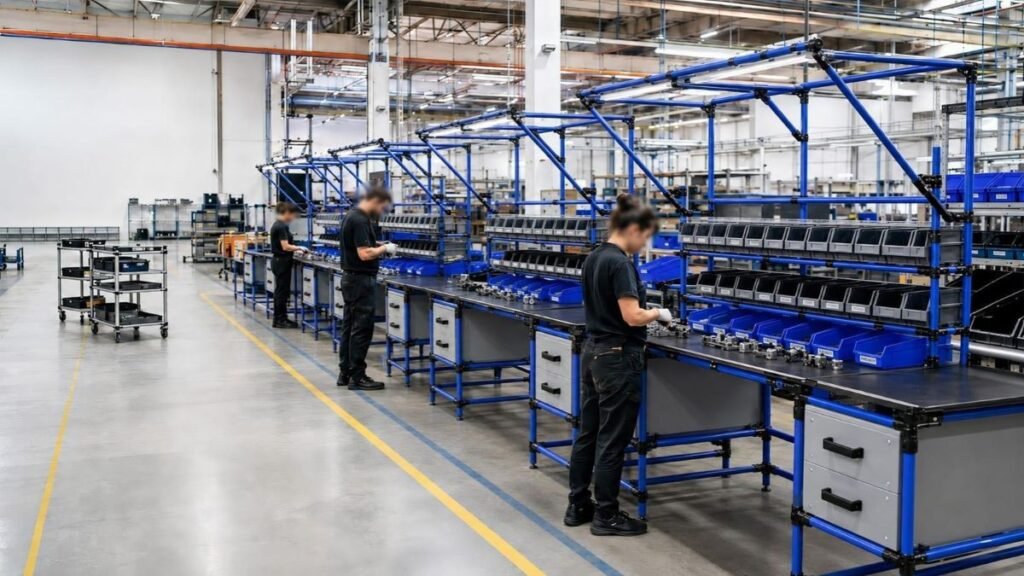
Lean manufacturing experience refers to practical knowledge of methods used to reduce waste and improve the flow of production.
The main objective is to deliver value to customers while using resources more effectively.
Common lean manufacturing concepts include:
- 5S: 5S is a workplace organization method based on five principles: Sort, Set in Order, Shine, Standardize, and Sustain. It helps organizations maintain organized workspaces and support efficient operations.
- Kaizen: Continuous improvement through small, ongoing changes.
- Value Stream Mapping: A method for examining the flow of materials and information through a process.
- Just-in-Time (JIT): Producing or supplying items when they are needed to reduce unnecessary inventory.
- Standardized Work: Using documented methods to perform tasks consistently.
For example, an employee who helps organize tools, reduce unnecessary movement, or identify repeated production delays may gain practical exposure to lean manufacturing principles.
Not every manufacturing job requires lean manufacturing knowledge, but it can be useful for production improvement, supervision, and operations-related positions.
How to Gain Manufacturing Experience Without Previous Experience
You do not always need previous factory employment to begin developing manufacturing skills. Many entry-level positions and training opportunities provide a starting point.
Here are seven practical ways to build relevant experience.
1. Apply for Entry-Level Manufacturing Jobs
Search for positions such as production assistant, packaging operator, assembly worker, machine operator trainee, and production helper.
These roles can introduce you to factory environments, basic production procedures, and workplace expectations.
Common roles include assemblers, machine operators, quality control inspectors, machinists, and production supervisors. The U.S. Bureau of Labor Statistics provides further information about different production occupations.
2. Explore Apprenticeships and Vocational Training
Technical training programs can help you develop practical skills in machining, electrical systems, welding, maintenance, and industrial operations.
Apprenticeships can be particularly useful because they combine workplace learning with technical instruction.
3. Learn Basic Machine Operation
Understand how common industrial machines work and what operators are responsible for.
You can begin with introductory technical courses or supervised training. Never operate industrial machinery without appropriate instruction and authorization.
4. Understand Workplace Health and Safety
Learn basic safety principles, including hazard identification, personal protective equipment, machine guarding, and emergency procedures.
OSHA provides guidance on machine guarding and explains why appropriate training is important for machine operators and maintenance personnel.
5. Develop Quality Inspection Skills
Learn basic measurement techniques, product inspection methods, and how to identify common manufacturing defects.
Depending on your chosen career path, knowledge of measuring instruments such as calipers and micrometers may be useful.
6. Look for Internships and Practical Training
Contact local manufacturers, technical institutes, and vocational training centers to explore internships and practical learning opportunities.
Even supervised workplace exposure can help you understand manufacturing workflows and expectations.
7. Learn Manufacturing Software and Documentation
Become familiar with production records, spreadsheets, inventory systems, and manufacturing documentation.
Depending on your career goals, you may also explore CAD, CAM, CNC programming, ERP, or manufacturing execution systems.
Practical starting point: Choose one manufacturing area, learn its basic requirements, complete relevant training, and apply for supervised entry-level opportunities. Building genuine practical experience is more valuable than simply listing manufacturing terminology on your CV.
With practical experience, technical training, and improved workplace skills, employees can create better opportunities for career progression.
How to Describe Manufacturing Experience on a CV
When applying for a manufacturing position, your CV should clearly explain what you did, which tools or machines you used, and how your responsibilities supported production.
Avoid writing only general statements such as “Worked in a factory.”
Instead, use specific descriptions that demonstrate your actual responsibilities.
Manufacturing Experience CV Example
Job Title: Production Operator
Example Responsibilities:
- Supported daily manufacturing and production activities.
- Operated assigned production equipment after completing relevant training.
- Followed workplace safety procedures and operating instructions.
- Inspected finished products for defects.
- Maintained accurate production records.
- Coordinated with team members to meet production requirements.
- Reported equipment issues and production problems to supervisors.
How to Make Your CV Stronger
Include these details wherever applicable:
1. Job Responsibilities: Explain your actual daily tasks and level of responsibility.
2. Machines and Tools: Mention the equipment you operated or maintained.
3. Production Processes: Describe the products, components, or processes you worked with.
4. Quality Standards: Explain your inspection, testing, or documentation responsibilities.
5. Achievements: Include measurable results when you can verify them.
For example, if you genuinely helped reduce product defects or improve production output, describe your contribution and include an accurate figure if available.
CV Example for Someone Without Manufacturing Experience
If you are a beginner, you can highlight transferable skills without pretending to have factory experience.
Relevant Skills:
- Basic inventory management.
- Attention to detail.
- Teamwork and communication.
- Workplace safety awareness.
- Record keeping.
- Willingness to learn technical processes.
You can also include relevant training, internships, supervised practical projects, or vocational qualifications.
How to Answer Manufacturing Experience Questions in an Interview
Employers may ask, “Do you have manufacturing experience?” to understand whether you know how production environments operate and whether your skills match the position.
Your answer should be honest, specific, and relevant to the job.
Example 1: Candidate With Previous Manufacturing Experience
“Yes, I have experience working in a manufacturing environment. My responsibilities included supporting production activities, operating assigned machinery, inspecting products, following safety procedures, and maintaining production records. I also worked with team members to meet daily production requirements.”
Example 2: Candidate With Warehouse Experience
“I have warehouse experience involving inventory handling, organizing materials, maintaining stock records, and supplying materials to operational teams. Although my experience was not directly in production, I developed transferable skills that can support manufacturing operations.”
Example 3: Candidate Without Direct Experience
I do not have direct manufacturing experience yet, but I am interested in developing my career in this industry. The importance of workplace safety, teamwork, attention to detail, and following instructions. I am willing to complete the necessary training and learn the production process.
The strongest answer connects your real background with the employer’s requirements. Avoid claiming experience with machinery, software, or production systems that you have never used.
Why Is Manufacturing Experience Important?
Manufacturing experience is valuable because it helps employees understand how industrial operations work and what is required to produce goods consistently.
Its main benefits include:
1. Better Workplace Readiness: Employees become familiar with industrial environments, production procedures, and daily responsibilities.
2. Improved Production Efficiency: Understanding manufacturing processes helps workers complete tasks effectively and identify operational delays.
3. Consistent Product Quality: Inspection and process knowledge help identify defects and reduce avoidable errors.
4. Stronger Safety Awareness: Experience following safety procedures helps workers recognize hazards and understand workplace responsibilities.
5. Practical Problem-Solving: Employees learn to identify operational issues and communicate problems to the appropriate teams.
6. Career Development: Practical knowledge can support progression into technical, supervisory, quality management, and engineering positions.
7. Understanding Modern Industry: Exposure to manufacturing technologies, equipment, and digital systems helps employees understand how modern production environments operate.
For example, someone who starts as an assembly worker may develop technical knowledge and later pursue a specialist or supervisory position through additional training and relevant experience.
Conclusion
Conclusion
Manufacturing experience includes the practical knowledge and skills gained through producing goods or supporting the processes that make production possible. It can involve machine operation, product assembly, quality inspection, equipment maintenance, production planning, material management, and packaging. The responsibilities vary depending on the industry, employer, and job position.
Whether you already have factory experience or are entering the industry for the first time, developing relevant technical and interpersonal skills can help you prepare for manufacturing opportunities. Start by understanding production processes, exploring suitable training, and identifying transferable skills from your previous work. Most importantly, describe your actual responsibilities honestly and focus on how your abilities can contribute to a manufacturing team.
Frequently Asked Questions
1. What Is Considered Manufacturing Experience?
Manufacturing experience includes working in production, assembly, machine operation, quality control, equipment maintenance, packaging, production planning, or other activities that directly support manufacturing operations.
2. Does Warehouse Experience Count as Manufacturing Experience?
Warehouse experience provides transferable skills such as inventory management and material handling. However, it is not automatically direct manufacturing experience unless the responsibilities also involve manufacturing activities.
3. What Are Examples of Manufacturing Experience?
Examples include operating production machinery, assembling products, inspecting components, maintaining equipment, packaging goods, monitoring production processes, and coordinating manufacturing schedules.
4. Can I Get a Manufacturing Job Without Experience?
Yes. Many employers offer entry-level positions, trainee opportunities, apprenticeships, and on-the-job training. Basic technical knowledge, reliability, and willingness to learn can help applicants get started.
5. What Skills Are Important in Manufacturing?
Important manufacturing skills include machine operation, quality inspection, problem-solving, teamwork, communication, attention to detail, time management, safety awareness, and basic technical knowledge.